 Skip-the-line available
 Picasso's Málaga: Birthplace, Museum and the Old-Town Circuit
How to pair the Casa Natal on Plaza de la Merced with the Museo Picasso Málaga — and the ten-minute-radius old town around them.
Málaga is the only city in the world where you can stand in the room where Picasso's story began and, five minutes' walk later, stand in front of eight decades of his work given back to the city by his own family. The two sites — the Casa Natal birthplace museum on Plaza de la Merced and the Museo Picasso Málaga in the Palacio de Buenavista — are separate museums with separate tickets, and they are better together than either is alone. This guide gives you the natural order, the timings, and the compact old-town circuit that the museum anchors.
The Casa Natal: Where It Began
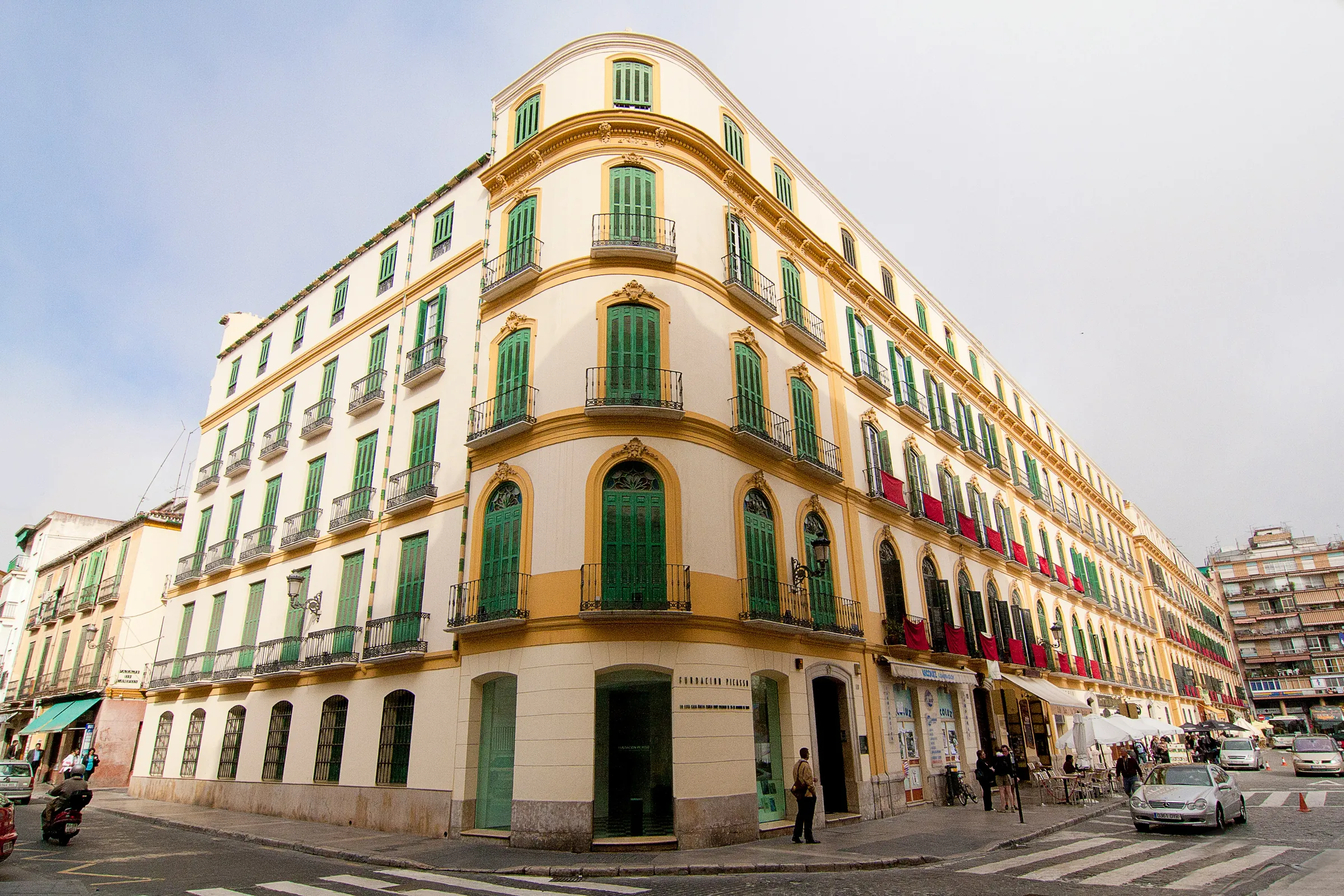
Pablo Ruiz Picasso was born on 25 October 1881 at number 15, Plaza de la Merced, the first child of José Ruiz Blasco, a painter and drawing teacher at the local art school, and María Picasso López. The house still stands on the square and is run by the city's Fundación Picasso as the Casa Natal — a modest house-museum of family memorabilia, period rooms and changing displays. It is a biography museum rather than an art museum: you go for the story of the family, the square outside where the infant Picasso watched the pigeons his father painted, and the sense of the world that produced him. Allow 45 minutes to an hour; tickets are sold separately by the city, and its opening hours differ from the art museum's — check the Fundación Picasso's own site for the current schedule.
The Plaza de la Merced itself is part of the experience — a broad, plane-shaded square at the edge of the old town, busy with café terraces, with a bronze Picasso sitting on a marble bench at its southern end, perpetually photographed with strangers at his side. The doves that flock the square are the same birds, in spirit, that fill his father's canvases and his own most famous lithograph. Start your Picasso day here: coffee on the square, the Casa Natal while you're fresh, and then the five-minute walk down Calle Granada towards the Palacio de Buenavista.
The Museum: Where the Work Came Home
The Museo Picasso Málaga is the payoff. Opened in 2003 in the 16th-century Palacio de Buenavista, it holds the founding collection of 285 works given by Christine Ruiz-Picasso, widow of the artist's eldest son Paul, and Bernard Ruiz-Picasso, his grandson — paintings, drawings, sculpture and ceramics spanning from the 1890s to the artist's final years. Coming from the birthplace, the collection lands differently: the bulls and doves read as Málaga motifs, the portraits of children echo the family rooms you have just walked, and the late works feel like the closing chapters of the story that began two streets away.
Practically: entry is by timed slot, so book your museum time and build the rest of the morning around it — Casa Natal first, museum slot late morning is the pattern that works. Allow 1.5–2 hours inside, more with the temporary exhibition. Under-18s enter the museum free, seniors 65+ and students under 26 pay a reduced rate with ID, and don't leave without descending to the basement, where excavations for the museum uncovered Phoenician walls, Roman industrial remains and traces of Moorish Málaga beneath the palace courtyard.
The Ten-Minute Radius: Building the Full Day
Few major museums anchor a tighter sightseeing circuit. From the museum's door on Calle San Agustín, the cathedral — Málaga's great one-armed Renaissance church, La Manquita — is three minutes' walk. The Roman theatre and the Alcazaba, the Moorish palace-fortress climbing the hill above it, are under ten. The Plaza de la Merced and Casa Natal close the loop back where you started. That is the whole canonical old town inside a ten-minute radius, all pedestrianised, all flat except the optional climb into the Alcazaba.
A comfortable full day: Plaza de la Merced and the Casa Natal at 10:00, the museum on a late-morning timed slot, lunch in the old town — the streets around Calle Granada and the Atarazanas market reward wandering — then the Roman theatre and Alcazaba in the softer afternoon light, and the cathedral before evening. Cruise visitors can compress the same circuit into five hours by trimming the Alcazaba climb. However you pace it, book the museum slot first and let everything else flex around it — it is the one fixed time in an otherwise free-form old town.
Frequently asked
Are the Casa Natal and the Museo Picasso Málaga the same museum?
No — the Casa Natal on Plaza de la Merced is the city-run birthplace house-museum; the Museo Picasso Málaga in the Palacio de Buenavista is the art museum holding the family-given collection. Separate tickets, five minutes' walk apart.
Which should I visit first?
The Casa Natal first for the family story, then the museum for the art. The biography makes the collection land harder — the bulls, doves and family portraits all trace back to the Málaga childhood.
How far apart are they?
About five minutes on foot, down Calle Granada through the pedestrian old town. The cathedral, Roman theatre and Alcazaba are all within ten minutes of the museum too.
Can I do both in half a day?
Comfortably — allow about an hour at the Casa Natal and two hours at the museum. Book the museum's timed slot first and fit the birthplace around it.
Was Picasso actually born in Málaga?
Yes — on 25 October 1881 at Plaza de la Merced 15, where the Casa Natal now stands. He lived in the city for his first ten years before the family moved north.
Does the museum ticket include the Casa Natal?
No — they are run by different organisations and ticketed separately. We book the Museo Picasso Málaga; Casa Natal tickets are sold by the city's Fundación Picasso.